
Digital well-being and “Like” addiction: The impact of Dopamine
Digital well-being in the workplace has been compromised by a growing addiction to likes and a constant search for external validation. In a world where dopamine dictates the pace of our interactions, understanding how these dynamics affect team mental health is key to maintaining productivity. In this article, we analyze the science behind immediate recognition and show you how to foster a healthy balance within your organization.
If you are concerned about how digital dynamics are impacting your company’s performance, our analytics platform can help you identify and prevent emotional exhaustion through real-time data.
As we always do, let’s begin with a few questions for reflection:
- How do you feel when you receive a compliment in an Instagram comment?
- How do you feel after having that cup of coffee you were craving?
- What do you feel when you are congratulated for a job well done?
Let’s dive in. Welcome to the fascinating world of dopamine, rewards, and digital well-being.
Digital Well-being and Dopamine: Do We Need the Likes?
When we receive an unexpected reward, our body experiences an immediate sense of well-being. This phenomenon occurs because, in response to any positive stimulus—whether it’s a financial incentive, professional recognition, or a simple “like” on social media—our brain activates a positive reinforcement system.
As the name suggests, this mechanism drives us to repeat the original behavior to obtain the reward again. In the realm of digital well-being, likes function as an instant achievement, sending implicit validation messages such as:
- “You share great content.”
- “I like your style or the way you work.”
- “We approve of what you just posted.”
In all these cases, the action performed is reinforced—whether it’s sharing a personal moment, a professional milestone, or a carefully curated image. A “like” is immediate recognition. This is why we check our feeds minutes after posting: we seek approval and recognition here and now. This immediacy is precisely what creates the habit.
In a corporate environment, we must pay special attention to reward dependency, especially if we aim to build psychologically healthy workplaces.
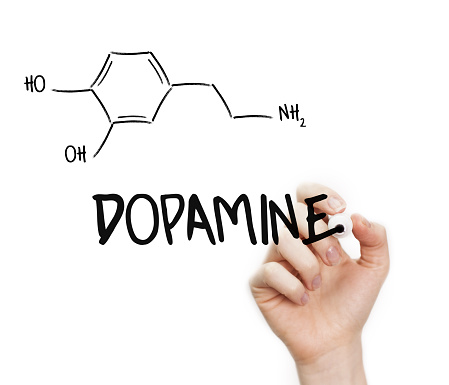
The Impact of External Validation on Digital Well-being
Receiving likes is equivalent to “flooding” our system with dopamine. But what exactly is dopamine?
Dopamine is a neurotransmitter present in various areas of the brain, essential for motor function and, most importantly, for nervous responses related to the expression of emotions. It is a natural and necessary substance that our brain secretes in certain situations.
Being so closely linked to emotions, dopamine is the hormone generated by immediate pleasure (such as eating something we enjoy or making a purchase). Likes act as that instantaneous reinforcement: interaction = dopamine.

The Effects of the Dopamine Cycle
When we receive that dose of dopamine, we feel pleasure. Our brain likes this sensation and tends to seek it out repeatedly. Similar to the habit generated by caffeine, digital validation creates a pattern: as the behavior and reinforcement are repeated, the body demands more of the substance that generates well-being.
This is why social media can become addictive. It triggers dopamine release and can lead us into a loop where we need larger and more frequent doses to feel good, similar to other immediate gratification impulses.
Digital Well-being Strategies to Improve Workplace Self-esteem
Beyond the biological explanation, other psychological processes influence our dependency on digital image. The key lies in where we place our self-esteem.
If we base our personal value exclusively on external factors or compare ourselves to the seemingly perfect lives we see on social media, we feed the cycle of dependency. When biology (dopamine) meets self-esteem that relies on external recognition, we face a real risk to mental health.
The “Pie Technique”: A Self-assessment Exercise
To prevent digital well-being from being compromised, it is useful to analyze the weight we give to different factors that condition our self-esteem (physical appearance, professional success, relationships, etc.).
Are you familiar with the “Pie Technique”? It is a simple yet powerful tool for visualizing our self-concept. In upcoming articles, we will delve deeper into this exercise to work on that “cake” called personal self-esteem.
Our world will continue to be a field of dopamine. We cannot change our habits overnight, but transformation begins by becoming aware of where our validation comes from. At Mentiness, we have spent years working toward one goal: humanizing organizations.

Data-driven well-being: Measure what matters
Is digital validation-seeking affecting your team’s focus? At Mentiness, we help organizations identify these trends before they lead to burnout. Our analytics platform provides real-time insights into psychosocial risks and employee self-esteem. Discover our Analytics tool and start to measure!

Rebeca Calvo Barros